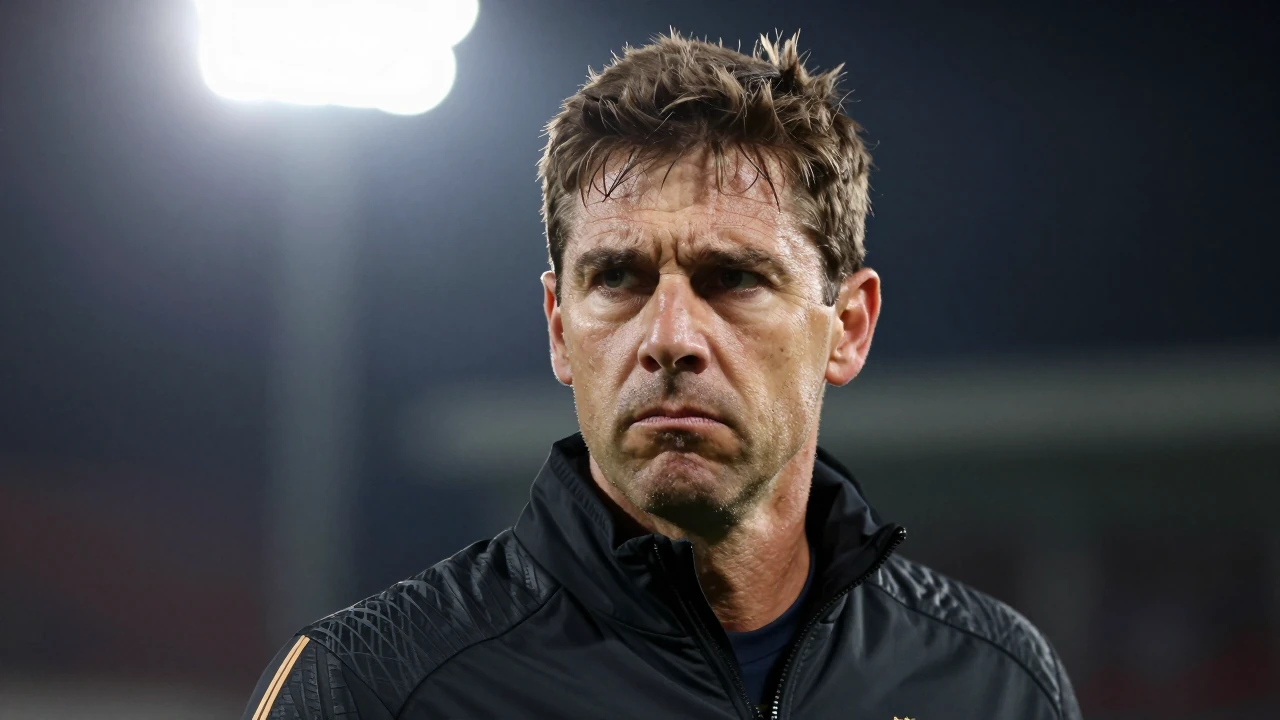
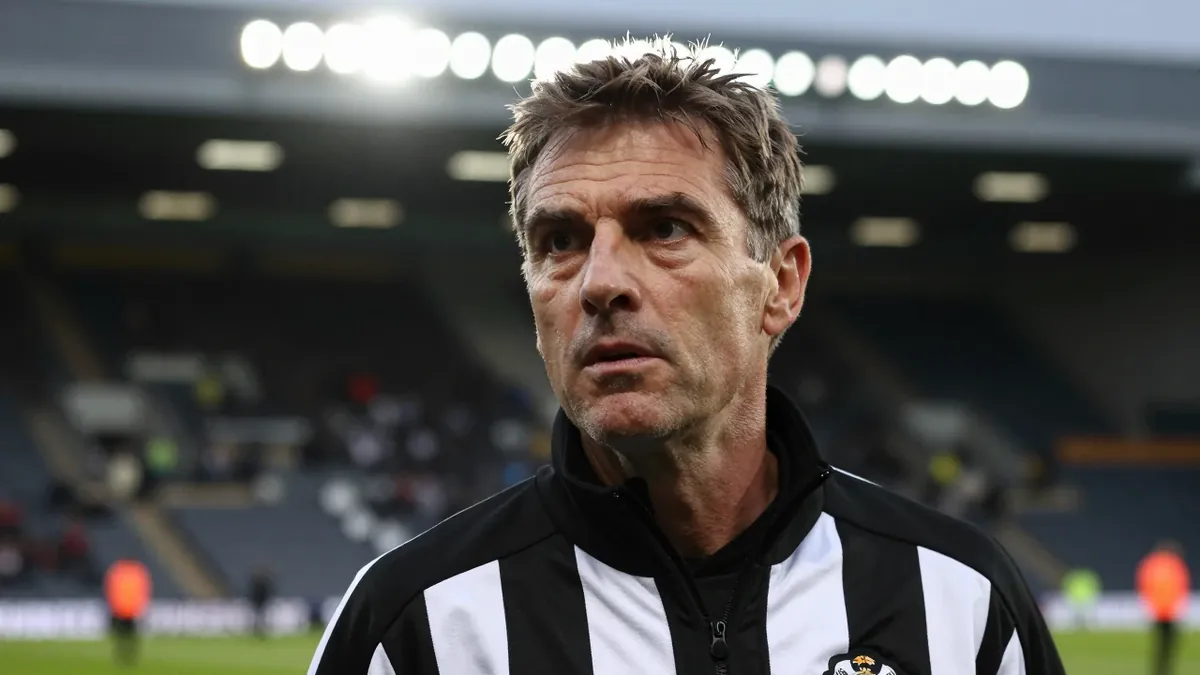
Kevin Keegan's 1992 return to Newcastle United didn't just save the club from relegation-it invented the Premier League's greatest away day experience. The manager's philosophy of football as pure spectacle transformed both the team and the city into a destination that has drawn visiting fans for thirty years. Today, the Magpies sit 7th in the Premier League with 4 points from their opening two matches, just 2 points behind leaders Manchester City after scoring 4 goals and conceding 2.
When Kevin Keegan walked back into a shabby, half-empty St James' Park in February 1992, Newcastle were fighting to avoid dropping to the Third Division. His impact was immediate and spectacular. Within 18 months, the club was in the Premier League. Within two years, they were playing in Europe. By 1996, they were genuine title contenders, famously known as the Entertainers with a 12-point lead over Manchester United at one stage. Keegan brought in players like Andy Cole, David Ginola, and Faustino Asprilla, whose iconic chip against Barcelona symbolized the era. He also delivered a defiant public blast against Alex Ferguson's mind games. Supporters have Keegan to thank for that promotion, for Champions League football, and for moments that defined a generation.
The club's revival coincided with the city's dramatic reinvention. Sir John Hall, who became chairman after developing Europe's largest shopping mall on a Gateshead slag heap, championed a new vision. The Quayside filled with bars and restaurants. The Riverside emerged as a major music venue. Thousands more students arrived, drawn by a growing reputation. In 1995, an American travel company ranked Newcastle alongside Rio and Las Vegas as a world-class party city. By 1997, Times Higher Education noted that this 'party city' image was helping universities recruit. The football club and the city began projecting the same qualities: exuberant, slightly excessive, hospitable, and determined to have a good time. This synergy changed the story Britain told about Newcastle between 1992 and 1997.
St James' Park's city-centre location is the foundation. Visiting supporters can arrive by train, drink in central pubs, walk to the match, and be back in a bar minutes after the final whistle. It's a ready-made urban 'fan zone' that existed decades before the concept was formalized. The experience offers the same implicit promise as the city's nightlife: something memorable might happen. Fans might wake in a budget hotel near the Bigg Market with traffic cones and half a kebab down their shirt, with no memory of how they got there. They enter an ecosystem efficient at separating them from their disposable income. But they also witness potential magic on the pitch, watching players like Peter Beardsley, Ginola, and Asprilla perform. Keegan believed going to the match "was like people down south going to the theatre," a philosophy centered on spectacle, pleasure, and escape.
The legacy of that era endures. Newcastle remains one of English football's great away trips, tied to a leisure economy built on shopping, culture, and nightlife-and an ancient reputation as 'the drunkest town in England.' the full squad, sitting 7th in the standings, carries a different kind of expectation. They face Leeds United away on September 14th in their next Premier League fixture, a match against a side currently 9th in the table. The story is explored in Dan Jackson's book 'Howay the Lads! A People's History of Newcastle United,' published by Abacus. While the Entertainers' title charge ultimately fell short, the culture of entertainment they build-for both home and away fans-became the club's and the city's lasting export.