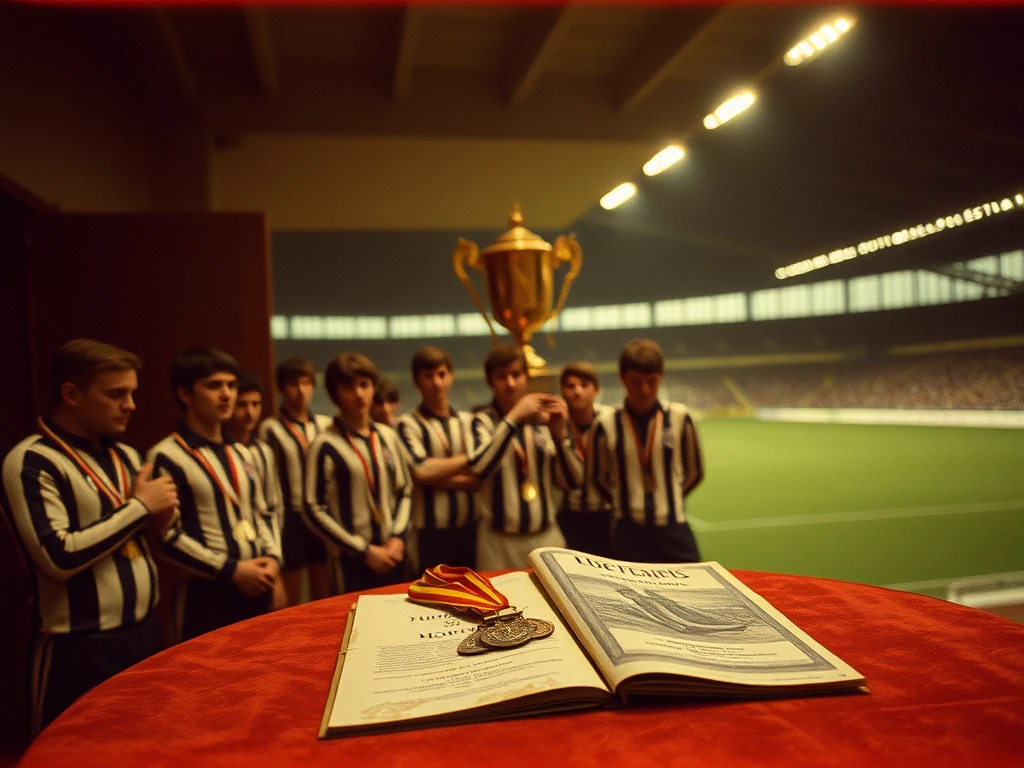
The 1970s were a golden era for Newcastle United, marked by a resurgence in form and a notable journey through the UEFA Cup, which would ultimately shape the club's legacy for decades to come. The Magpies, known for their distinctive black and white stripes, not only captured the imaginations of their loyal fanbase but also established themselves as a formidable force in European football during this period.
In the 1973-74 season, Newcastle United made an impressive run in the UEFA Cup, defeating the likes of FC Dynamo Moscow, which showed their ability to compete on the continental stage. The team's performance was a sign of the skill and tactical awareness of manager Joe Harvey, who had instilled a sense of confidence and camaraderie within the squad. Players such as Malcolm Macdonald, affectionately known as "Supermac," became household names, striking fear into the hearts of defenders across Europe with his blistering pace and clinical finishing.
The crowning moment came during the 1975-76 season, when Newcastle reached the UEFA Cup final. Although they faced a disappointing defeat against the formidable Belgian side, FC Brugge, the journey to the final was filled with memorable performances and thrilling matches that galvanized the Geordie faithful. The atmosphere at St James' Park during this period was electric, with supporters rallying behind their team and creating an unmatched home advantage.
The impact of the 1970s extended beyond just trophies and accolades; it laid the groundwork for future generations of players and fans alike. The success in Europe ignited a passion for continental competition that has remained ingrained in the club's culture ever since. The Magpies' adventurous spirit and attacking philosophy during this decade became a blueprint for how the club approached the game, influencing tactics and player development for years to come.
As we reflect on this era, it's key to acknowledge the significance of the club's European journey. Not only did it foster a sense of pride among the supporters, but it also attracted talent to Newcastle, as players aspired to be part of a club with a rich history and a commitment to success. The legacy of the 1970s serves as a reminder of what Newcastle United can achieve when they harness the passion of their fans and the talent of their players.
Today, as Newcastle United continues to handle the complexities of modern football, the lessons learned from that golden era remain relevant. The club's ambition to return to European competition can be traced back to the foundations laid in the 1970s, as they strive to build a team capable of once again competing on the biggest stages. The Magpies' pursuit of glory is an ongoing journey, and the echoes of their past successes continue to inspire the present and future generations of players and supporters.