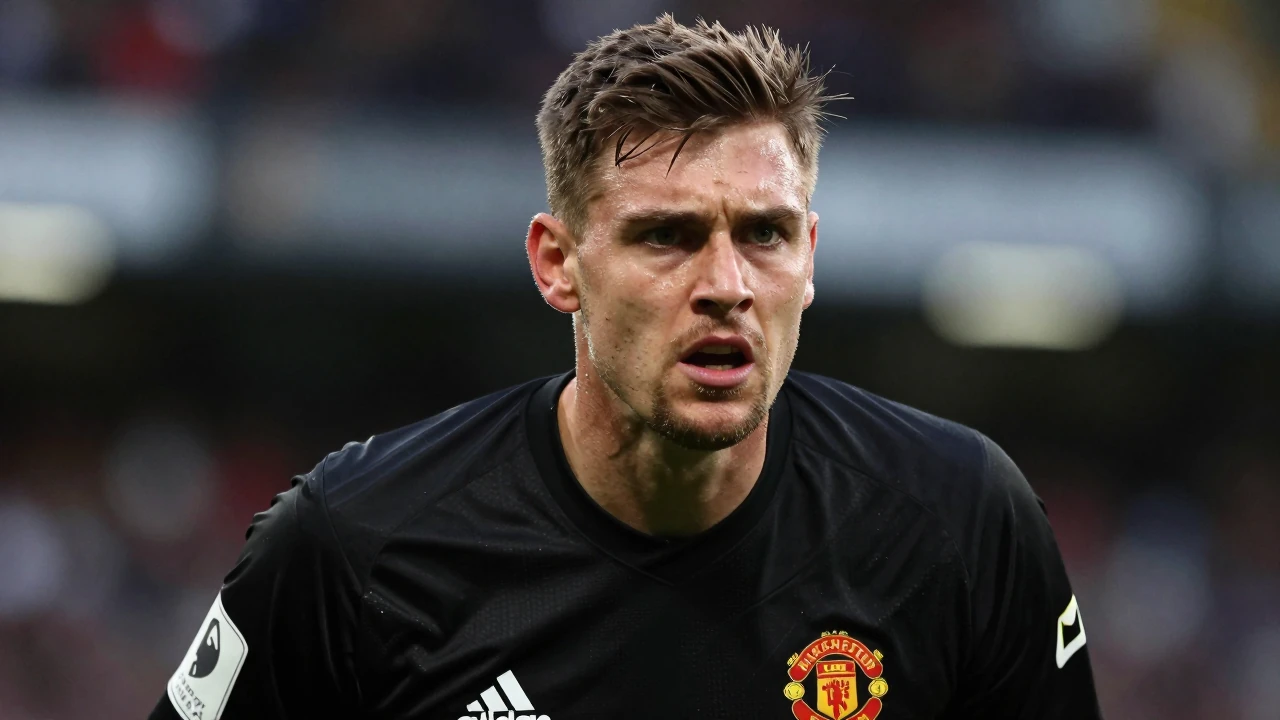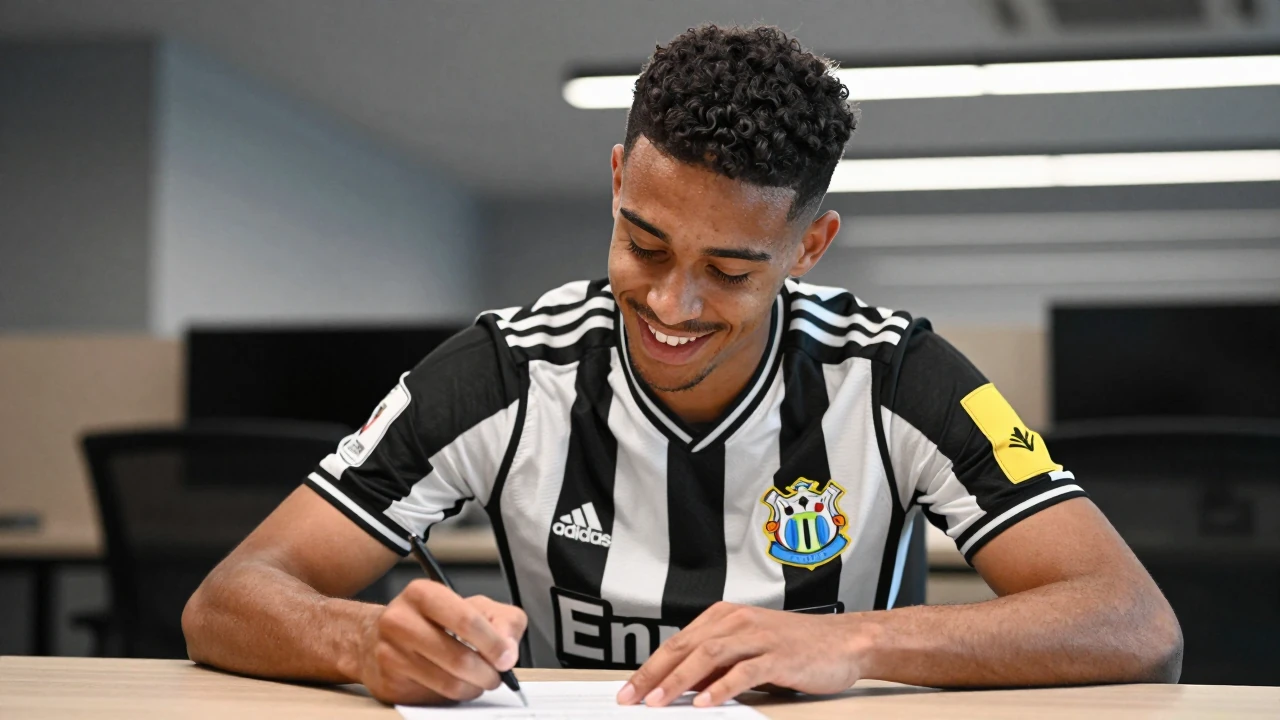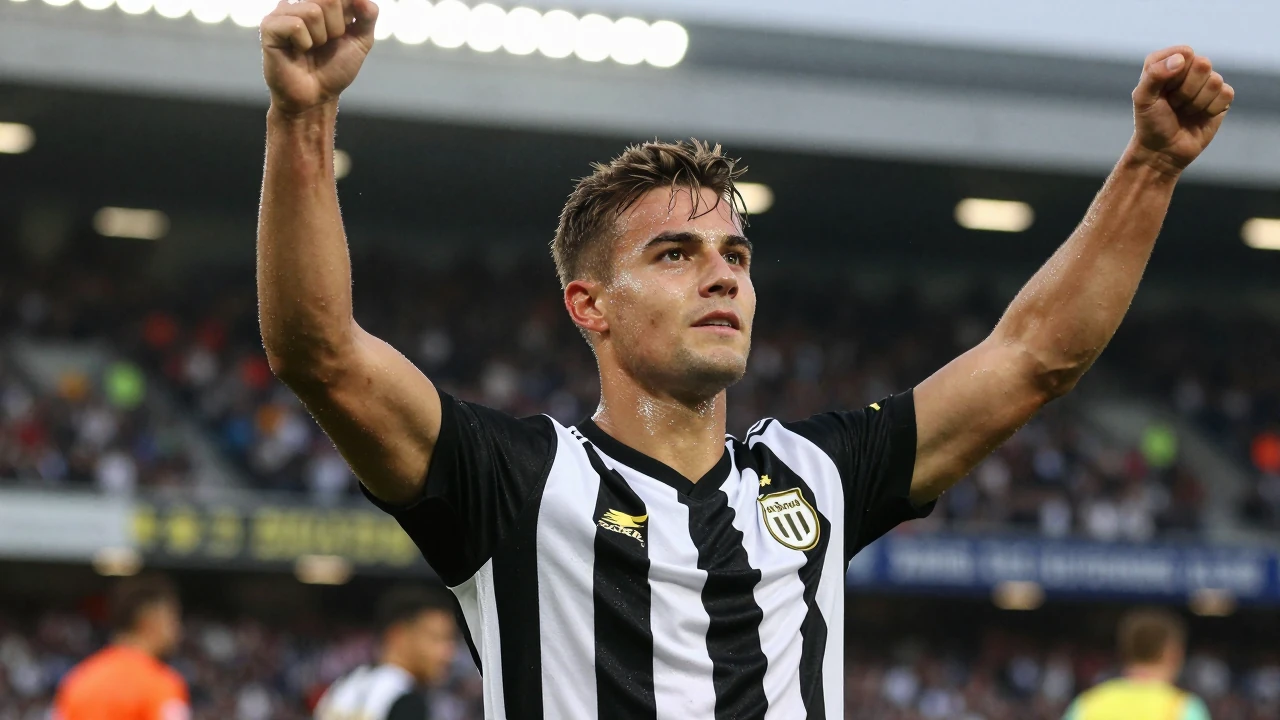

Newcastle United's senior executives have detailed the club's summer transfer strategy, describing a window that largely followed their blueprint. Sporting director Ross Wilson, CEO David Hopkinson and CFO Simon Capper met with local media on Friday to explain a period of significant change at St James' Park.
The trio outlined how Newcastle generated substantial funds through player sales before reinvesting approximately £300 million in eight new signings, all aged under 24. The club also handled the departure of manager Eddie Howe on the eve of pre-season, appointing Matthias Jaissle as his successor. Newcastle currently sit seventh in the Premier League with five points from three games, scoring six goals while conceding four.
Ross Wilson stated the summer operation felt controlled from within the club's hierarchy. "Genuinely, no, it never felt chaotic inside," Wilson said of a "good, fun and really enjoyable" window. The sporting director acknowledged one significant deviation from their plan: the sale of Bruno Guimarães. "There’s no point pretending otherwise; we didn’t want to lose Bruno. That was really disappointing, although we were happy with the numbers."
That £75 million sale, alongside the departures of other high-earning players seeking fresh challenges, provided financial headroom. The club then executed their recruitment strategy, bringing in eight young players. Their most expensive addition was Matías Fernández-Pardo at £51 million, a deal financed partly by loaning Nick Woltemade to Juventus. The loan fee and wage coverage from that move enabled the Fernández-Pardo transfer, with Simon Capper noting, "We managed to get that. We’re not s with £100m of headroom."
The managerial change added complexity to an already busy period. Wilson described the summer as "almost like running two transfer windows," with the search for Howe's replacement conducted in complete secrecy for two weeks. While the timing just before pre-season wasn't ideal, the club insists it was part of detailed succession planning. This transition occurred as Newcastle prepared for a season without European football, having budgeted for seventh place last term. The revenue drop from Champions League absence necessitated significant player sales, with Anthony Gordon's departure effectively covering that shortfall.
Newcastle's current league position sees them four points behind leaders Manchester City.
The club maintains they are compliant with both Premier League and UEFA's more stringent squad-cost rules, along with their settlement agreement. Not being in Europe this season removes the immediate pressure of UEFA's regulations. Player sales will remain an active part of their strategy moving forward. Wilson confirmed that Anthony Gordon, Sandro Tonali and Bruno Guimarães are not the last first-team players Newcastle will sell when the right offers arrive.
Financial planning is contingent on league finish and European qualification. Champions League revenue is valued at a minimum of £60-70 million, a significant factor for future budgets. The club forecasts compliance and believes they carry an acceptable amount of risk. "We're good for this season now, subject to anything dramatic happening," was the assessment offered.
The summer business substantially reduced the average age of the squad, aligning with a clear trading model. Uncertainty remains around the contract situations of Sean Steur and Lewis Hall, with their potential departures accepted as a reality. The focus now shifts to integrating the new signings under Matthias Jaissle. The team's early form shows promise, with a win and two draws from their opening fixtures. Their next challenge is an away trip to face Leeds United, who are ninth in the table, on September 14. Fans can view the full fixtures list for the 2026-27 season.
Newcastle's immediate task is to build momentum, starting with their upcoming match at Elland Road.